ARTIFICIAL INTELLIGENCE, DATA & ANALYTICS
BESPOKE DATA VISUALISATIONS
CUSTOM SOFTWARE DEVELOPMENT
CLOUD & OPERATIONS
EMBEDDED SOFTWARE
IOT, CLOUD, DELIVERY & ENABLEMENT

For years, IT nearshoring in Central Europe was primarily associated with cost savings. Businesses often viewed countries such as Poland and the Czech Republic mainly as sources of “cheap resources”. However, as the market matures, this narrow perspective is becoming increasingly outdated.
In the Beyond Delivery podcast, Erik Wärn Business Area Manager at Nexer Group, points out that while price is always important, buying purely on a low hourly rate can be a very expensive mistake. If a project fails to deliver because the focus was solely on cost, the business result is lost entirely. Today, the trend is moving away from simply buying hours toward seeking long-term strategic partnerships built on trust and mutual investment.
When Scandinavian companies look for a partner in Central Europe, they expect certain fundamental values that are considered non-negotiable. According to Erik, the most critical of these is full transparency. This includes being open about the process and ensuring there are no hidden costs that could damage the relationship.
A reliable and stable partner is essential because both parties make a significant investment in the relationship. Scandinavian business culture is heavily consensus-driven and values a flat hierarchy where decisions are based on facts and knowledge rather than titles. For a partnership to work, the vendor must adopt this open mindset, moving away from a strict service-provider dynamic toward a genuine, honest dialogue.
A major shift in the market is the move away from traditional time and material contracts. Modern clients are increasingly interested in outcome-based models, where success is measured by KPIs and linked to actual business results. This trend is reflected in global data: according to Mordor Intelligence, the software development outsourcing market is projected to grow at a CAGR of nearly 14% through 2031, reaching a value of over $618 billion. This growth is driven by a shift in priorities – clients are no longer looking for just extra hands, but for a partnership where the goal is to develop their business through high-level technical expertise.
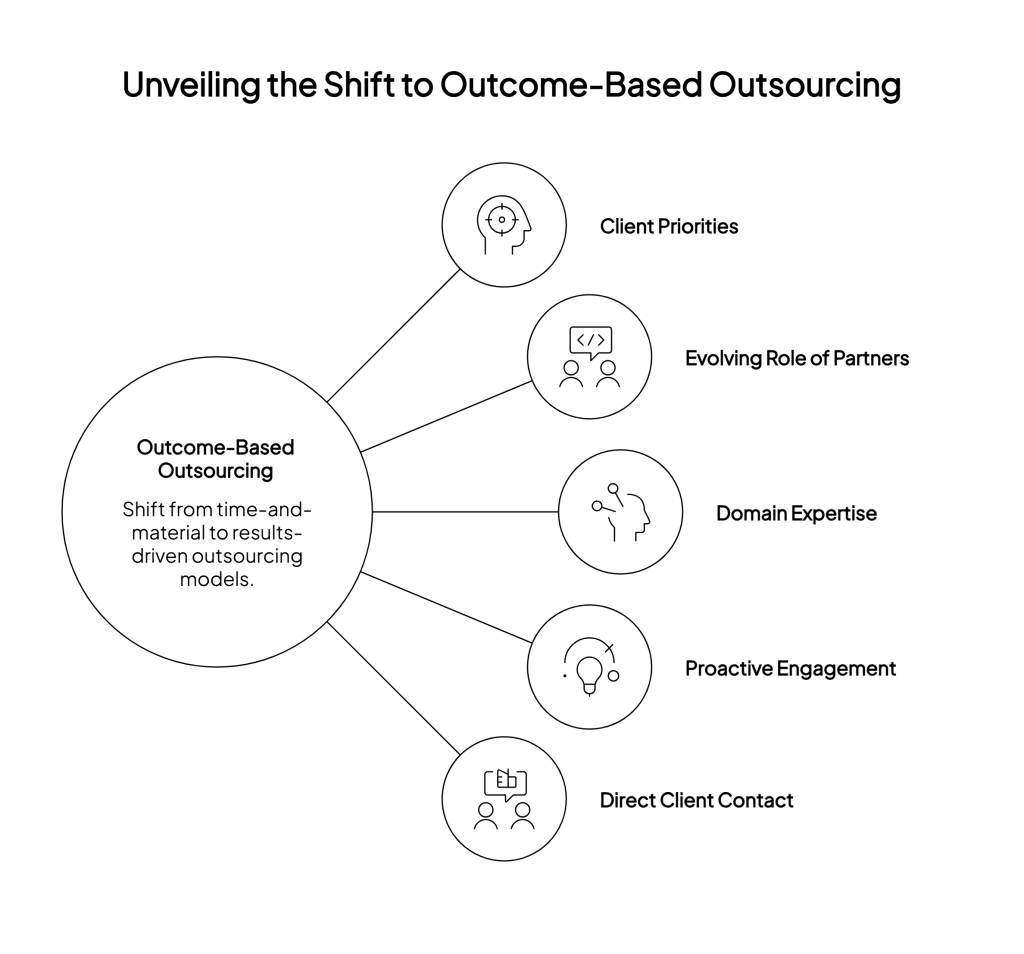
The role of the nearshore partner has evolved from a simple “code factory” to a strategic innovation hub. Scandinavian clients no longer want just a “rent-a-coder” service; they want a partner who understands their business and industry. Domain knowledge in sectors like pharma, life sciences, telecom, and automotive has become a critical requirement.
This expertise allows the vendor to challenge the client and the status quo. By being proactive and suggesting improvements, the partner brings valuable experience from other projects to the table. To support this, successful vendors are removing “filters” and allowing delivery teams to have direct contact with the client, which builds engagement and pride in the work.
Looking at the next five years, the expectations of Scandinavian clients will continue to evolve. Erik highlights that artificial intelligence (AI) will likely be integrated into every kind of offering, and clients already expect professional competence in this area.
Sustainability and resilience are also becoming increasingly important. Given the current state of the world, clients are looking for partners who are not only technically skilled but also professional in their approach to social and environmental responsibility.
The future of nearshoring lies in building fewer, but deeper, strategic partnerships based on a long-term perspective. As Erik concludes, a successful relationship requires two happy parties. If the pressure on cost is too high, it leads to inefficiency and mistakes. A true win-win situation is the only way to ensure that both the business and the people involved can evolve together.
IT nearshoring is the practice of working with a technology partner located in a nearby country or region. It offers access to skilled specialists, similar time zones, and easier cultural alignment.
Low hourly rates do not always lead to better business results. Companies increasingly prefer reliable partners who understand their goals, provide specialist expertise, and share responsibility for outcomes.
Scandinavian companies typically value transparency, reliability, direct communication, and a collaborative approach. They also expect partners to understand their industry and contribute proactively to business development.
At Holisticon Connect, our core values of Passion and Execution drive us toward a Promising Future. We are a hands-on tech company that places people at the centre of everything we do. Specializing in Custom Software Development, Cloud and Operations, Bespoke Data Visualisations, Engineering & Embedded services, we build trust through our promise to deliver and a no-drama approach. We are committed to delivering reliable and effective solutions, ensuring our clients can count on us to meet their needs with integrity and excellence.
